
I recently started a YouTube channel. Yes, I’m now an aspiring YouTuber too. One of the first videos I uploaded was The Two Sides of Miami, so for once, the order was reversed: the video came first, and this blog post followed.
When we think of Miami, most of us picture the same things: endless beaches, colourful lifeguard towers, Art Deco hotels, Ocean Drive and palm trees.
And yes, that Miami certainly exists.
But there’s another side to the city.
One of historic neighbourhoods, small wooden houses built by Bahamian immigrants, and quiet streets that couldn’t feel more different from the bustle of South Beach.
Today I’d like to show you both.
The Miami of Postcards
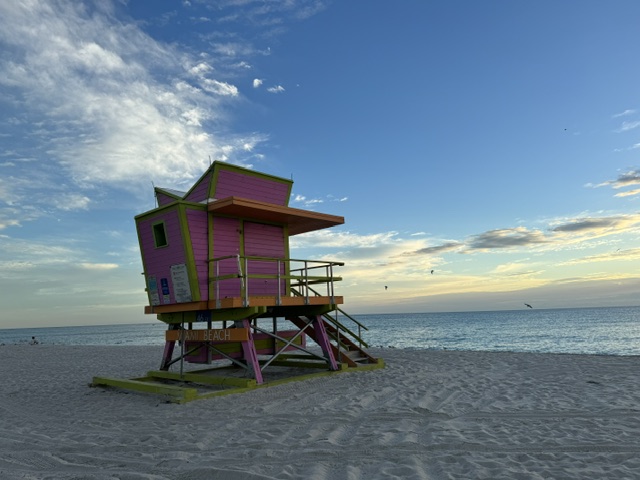
Dawn breaks over Miami Beach as I begin my walk along the boardwalk. The sea is perfectly calm, and the first rays of sunlight illuminate the famous lifeguard towers, one of the city’s most recognisable landmarks.
As I head south, some of Miami Beach’s most iconic buildings come into view. Among them are The National Hotel, one of the city’s finest examples of Art Deco architecture, and the Fontainebleau, which became world-famous after appearing in the James Bond film Goldfinger.
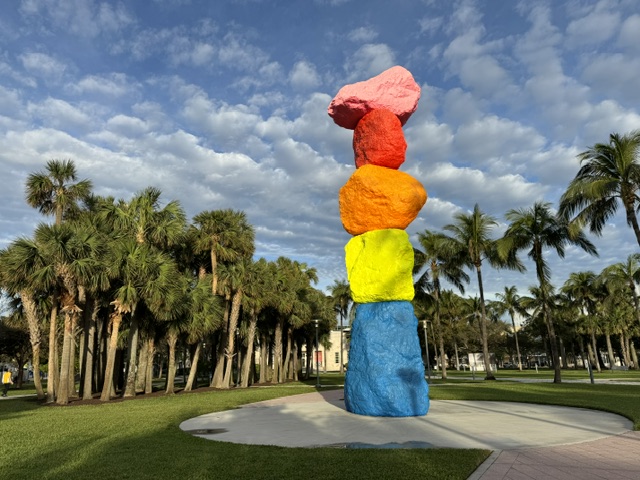
A little further on, I pass the Bass Museum, where several outdoor art installations catch my eye. I continue walking through gardens and alongside small canals. No alligators appear—rather disappointing, as my mother loves them and it would have made a great story to tell her—but I eventually reach Española Way, a charming pedestrian street with a Mediterranean feel. Although it’s almost deserted in the morning, it’s easy to imagine how lively it becomes after sunset.
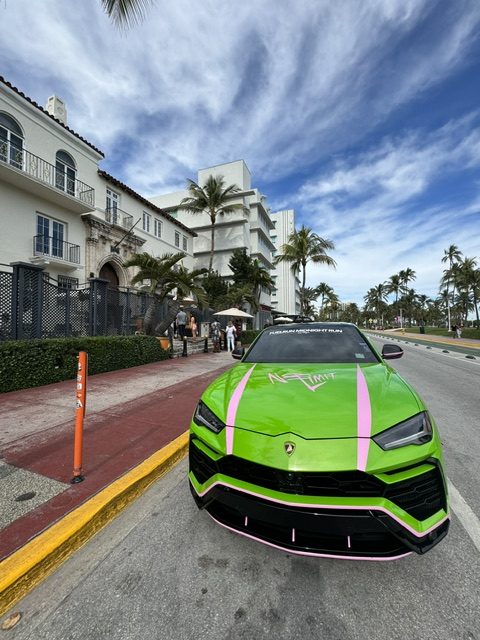
Soon enough, my walk brings me to Ocean Drive. Its pastel-coloured hotels, vintage cars parked outside, and laid-back atmosphere make it feel like the set of a film.
Among them stands Villa Casa Casuarina, Gianni Versace’s former mansion, now a luxury hotel. It’s impossible not to stop for a few moments in front of one of Miami’s most photographed buildings.
I take a break for breakfast at Café Americano, one of those places you discover by chance and immediately know you’ll return to.
From there, I continue walking along the seafront until I reach South Point Park, where I can admire the beaches, the cruise ships sailing in and out of the harbour, and the city’s skyline. Every time I stand here, the opening sequence of CSI: Miami comes to mind.
As I watch the ocean, I remember spending New Year’s Eve on these very beaches. The night ended with live music and dozens of people dancing salsa beneath the stars. It’s memories like these that transform a destination into a place you long to revisit.
The Other Miami
But all it takes is a short train ride to discover a completely different city.
No beaches.
No Art Deco hotels.
No neon lights.
My destination is Coconut Grove, Miami’s oldest neighbourhood.
I begin my walk along Charles Avenue, a little-known street that is nevertheless essential to understanding the city’s history. In the late nineteenth century, many immigrants arrived here from the Bahamas in search of a better life. They helped build roads, hotels and homes at a time when Miami was only just beginning to grow.
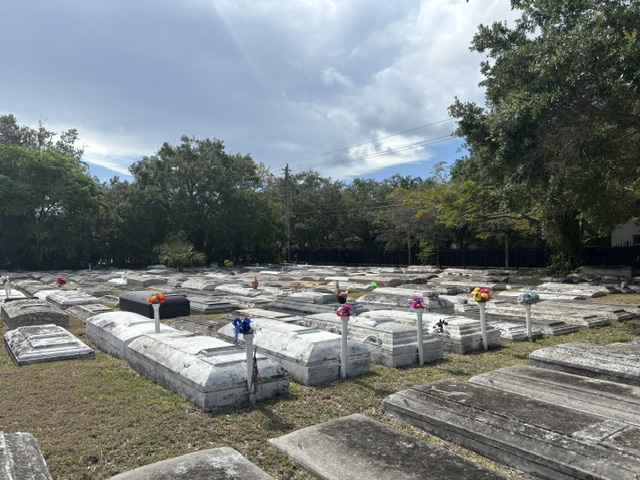
Some of the small wooden houses where those families lived are still standing today. Many are known as shotgun houses, a term I first came across during my trip to New Orleans. These long, narrow homes are said to have earned their name because, according to local legend, a bullet fired through the front door could travel all the way to the back without hitting a single wall.
On this very street stands the home of Mariah Brown, a Bahamian immigrant who arrived in the United States in 1880 with her three daughters. Her house became the heart of Miami’s Afro-Bahamian community, whose contribution to the city’s development was immense, yet is rarely mentioned in guidebooks.
Before reaching the centre of the neighbourhood, I pass E.W.F. Stirrup House, one of the few surviving nineteenth-century wooden homes. Shortly afterwards, I enter The Barnacle Historic State Park, home to the oldest standing house in Miami-Dade County. Built in 1891 by Ralph Middleton Munroe, it enjoys beautiful views across Biscayne Bay.
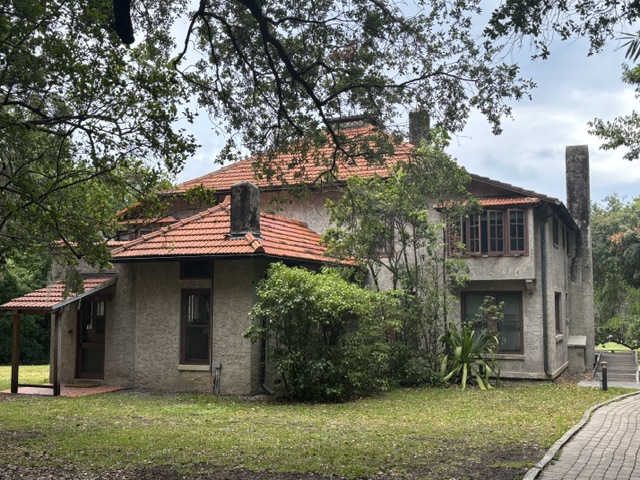
The walk continues past the marina at Peacock Park and on to Regatta Park, a peaceful corner of the city that feels worlds away from postcard-perfect Miami.
As I almost always do when travelling, I finish my walk in a bookshop. This time it’s one of the branches of Books & Books, Miami’s oldest independent bookshop and the sort of place where I could happily spend hours browsing the shelves. Everyone in the café was incredibly friendly, and we ended up chatting about travel while I tried my very first bubble tea.
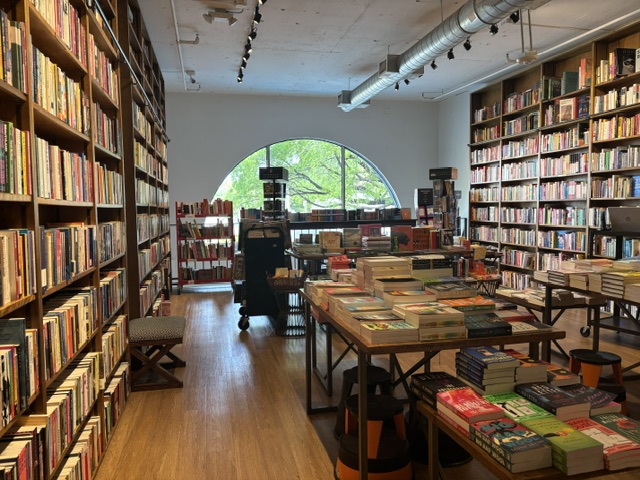
Before heading back, I make one final stop for a delicious vegan meal at Avo Miami. A waitress from Peru greets me with a warm smile, and before long we’re deep in conversation. Sometimes it’s these unexpected encounters that become the most treasured memories of a journey.
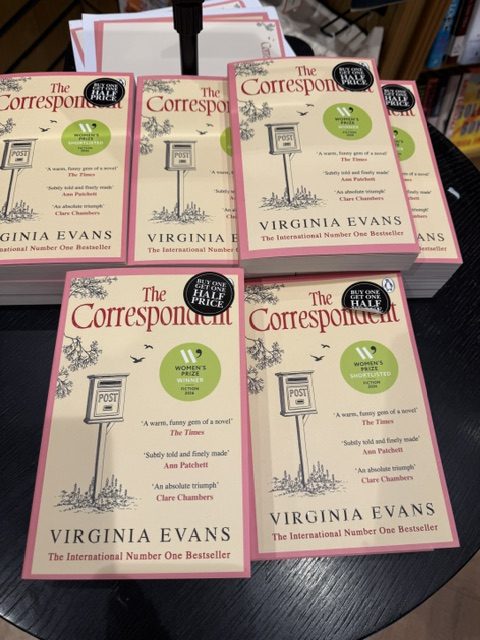
Literary Note
Postcards are little fragments of a journey that continue travelling long after we have returned home, carrying our adventures to faraway places. In The Correspondent by Virginia Evans, we discover how something as simple as writing a letter—or a postcard—can change a life, build bridges between people, and express the things we sometimes never find the courage to say aloud. Perhaps that’s why I still send postcards whenever I travel: because long after I’ve returned home, they continue telling the story of that journey.