
I’m really looking forward to telling you about this trip, but I thought I’d start with a practical post first, sharing tips that I hope will be useful and help you plan your journey or keep a few details in mind.
How to get there
There are direct flights from London, Amsterdam, or Frankfurt, or flights via Doha from Madrid or Barcelona (if you’re flying from Spain), either to Hanoi if you want to start in the north — as I did — or to Ho Chi Minh City (Saigon) if you prefer to begin in the south.
In my case, my route was Palma – Madrid – Doha – Hanoi, and on the way back Ho Chi Minh – Doha – Barcelona – Palma. It meant two relatively short flights (around 6 hours each) instead of one very long one.
Currency, Insurance & Connectivity
The local currency is the Vietnamese dong (VND). At first, the numbers can seem confusing because of all the zeros, but you get used to it quickly.
To give you a rough idea:
-
30,000 VND ≈ €1
-
100,000 VND ≈ €3
You can pay by card in hotels, restaurants, and more touristy cafés; however, they often charge a fee of around €3 or 5%. For everyday expenses — markets, small shops, taxis, or tips — it’s essential to carry cash.
Some ATMs require six-digit PIN codes, so I recommend using large banks. In Hanoi, for example, I used HSBC, which was close to my accommodation in the Old Quarter, and I wasn’t charged any commission when withdrawing money with Revolut.
Jewelry shops are also common places to exchange money. The larger and newer the bill, the better the exchange rate they usually offer.
As for travel insurance, it’s essential for me. Traveling with peace of mind, knowing you’re covered in case of any unexpected issues — health, cancellations, or delays — is priceless, especially on a long trip to a faraway country. As always, I took out travel insurance with IATI insurance, using the code ORANGE for a discount.
For internet access, I used an eSIM, which I activated during my stopover in Doha. It worked perfectly throughout the entire trip and was very convenient not having to look for a physical SIM card upon arrival. Coverage was good even outside the main cities. I used HolaFly eSIM, also with the code ORANGE for a discount.
Getting around the country
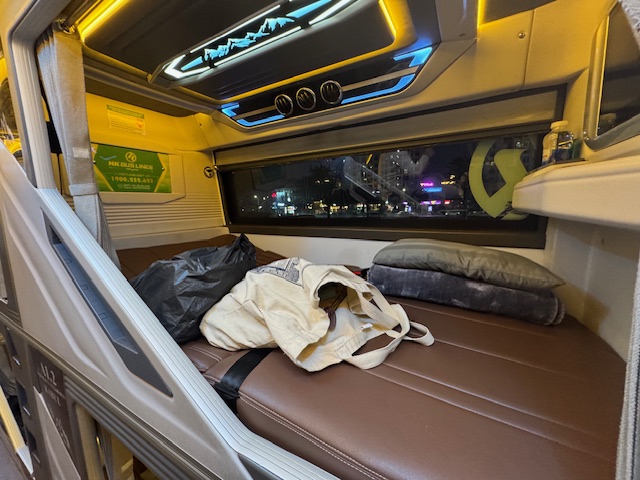
From Hanoi to Sapa, I took a sleeper bus, as there is no airport and it’s located in a mountainous area. It’s a six hour long journey.
My experience with this type of bus was mixed and very much affected by motion sickness. On the way there it was more or less fine: we started on straight roads, and by the time the curves began I was already half asleep. The beds are spacious and each one comes with a pillow and blanket, as well as a phone charger, a screen with TV and headphones; some even have massage functions.
That said, there’s no way to sit upright — you’re lying down the entire time. If you don’t get motion sickness, it can be quite comfortable; if you do, as in my case, the journey can feel very long.
On the return trip from Sapa, we left at 4:00 pm. Even though I had taken motion-sickness medication, I felt quite unwell during the first hour, especially because of the winding roads. Luckily, they give you a bag to store your shoes (you have to enter barefoot), and I kept it close just in case the worst happened… which it did. It’s a shame to feel sick, because I kept thinking about the great opportunity I was missing to read for hours.
Other travelers told me they used this type of bus to travel between cities and save a night’s accommodation. I decided it wasn’t for me: it moves a lot and you feel every bump in the road (and there are plenty of them). If you do take one, it’s better to choose the lower beds.
Clothing
During winter, if you travel in January like I did:
- Hanoi: pleasant temperatures. Light winter clothing, no jacket needed.
- Sapa: it can get very cold and may even snow, especially if you go up Mount Fansipan. I had one very cold day and the rest were sunny with mild temperatures for hiking. I wore a winter sweater and thermal top, although during the walks a short-sleeved T-shirt would have been comfortable.
- Da Nang: mild temperatures, not hot. I wore summer clothes. The water was cold for swimming, but snorkeling was still worth it.
- Saigon: being further south, it was definitely hot, so I imagine temperatures are quite high in the middle of summer. Hat, sunglasses and mosquito spray are advisable.
Laundry
There’s no need to bring a huge suitcase — doing laundry is easy and affordable. I did it directly at my hotel in Hanoi; since I was out all day, it was very convenient. I dropped the clothes off in the morning and they were ready by the afternoon. They charged 70K per kilo (approx. 30K = €1).
In Da Nang, it was 40K, just as fast and convenient. You’ll also find plenty of laundry places on the street.
Water and food
All hotels and homestays provide free water in the rooms. All tours also include water.
Eating vegan was easy. Meals were included in the tours, and they made sure I had a generous and varied selection. I’m not a foodie, so when I find a place in my free time that serves food I can eat and enjoy, I tend to stick with it rather than explore much.
Hotel breakfasts usually include toast, cereals, and local food such as rice or tofu. The hotel in Hanoi didn’t have plant-based milk, but the one in Da Nang did. Fruits like mango, papaya, or dragon fruit are almost always available. For non-vegans, the selection is extensive, both at breakfast and in restaurants.
Coffee culture
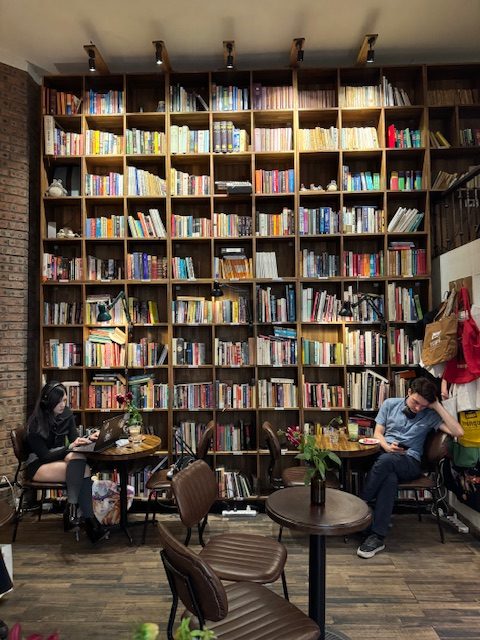
Coffee is very important in Vietnam. Famous drinks like egg coffee or coconut coffee are served in the wide variety of cafés you find, especially in cities, often with small chairs and low tables on outdoor terraces.
I don’t drink coffee, but I found a delicious hot chocolate at Tranquil Coffee in Hanoi — my favorite café — where I tried Marou chocolate with oat milk. In Da Nang, my favorite café, Forest Coffee, also offered oat milk.
Hotels and homestays
Vietnam is an affordable destination, and this is reflected in accommodation prices. These are the places I stayed:
- La Beauté of Hanoi: right in the Old Quarter. A small hotel with large, clean, and comfortable rooms.
- Sapa: both the hotel and homestay were included in the tour. Sapa Retreat Condotel had spectacular views and large rooms. Mine was an apartment-style room with a kitchenette, living area, and three beds, one in a separate bedroom. The homestay in Ta Van was a bungalow overlooking the rice fields.
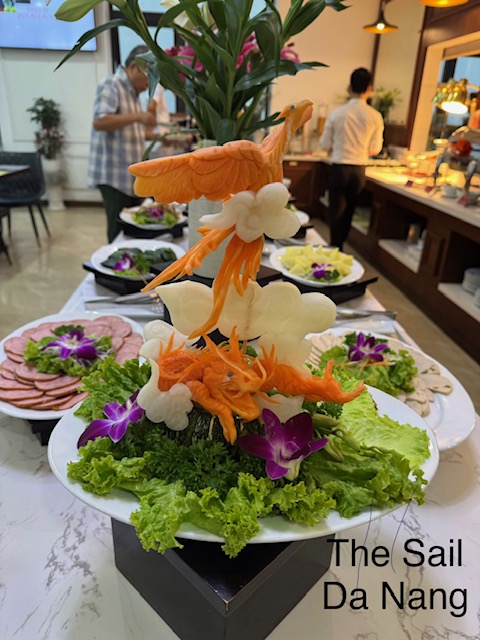
- Da Nang: my base in the area was The Sail Hotel, very comfortable, centrally located, with a delicious breakfast buffet.
- Ho Chi Minh City: I booked Misa House – Starlit Saigon, very centrally located. The room pleasantly surprised me — spacious, with a sofa and a small kitchenette, facing a park.
I have added the links just in case you’d like to check them out,
Tours
The list of places I wanted to see in the country was long, and reaching many of them required booking tours. This is where My Lee played a crucial role.
She contacted me when I booked my hotel in Hanoi and was an absolute blessing. She organized the entire trip, checking with me about where I wanted to go and freeing me from a lot of mental load. Once the trip started, she checked in with me every day to make sure everything was going well and that both the food and hotels were to my liking. For anyone who needs it, her contact number is +84 966 883 456.
Literary note
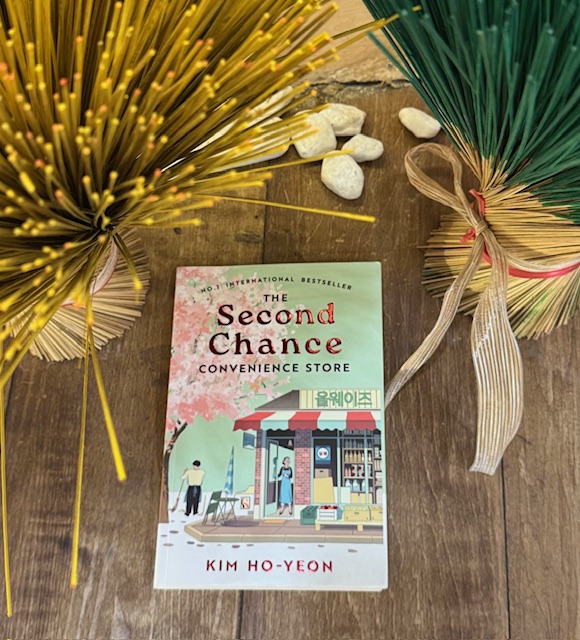
One day I left my Kindle at the hotel, and while strolling along Book Street in Saigon, I walked into a bookstore and walked out with a book under my arm: The Second Chance Convenience Store by Korean author Kim Ho-Yeon.
Its title could be translated as The Convenience Store of Second Chances, and I can’t think of a better way to end this post. It’s a warm, human novel centered around a small neighborhood convenience store and the people who inhabit and pass through it every day. Through simple gestures, it speaks about second chances, community, and how seemingly insignificant encounters can change the course of a life.
Travel, in the end, feels very much like that: letting yourself go, trusting encounters, and discovering that even far from home, there’s always room for a second chance.