
After the mountains of northern Vietnam, my adventure continues towards the central part of the country. This part of the journey blends the sea, imperial history, tropical nature and some of the most iconic landscapes of Vietnam.
Day 8 – Son Tra Peninsula, Marble Mountains and Hoi An
The journey from Sapa starts in the afternoon. I take the famous sleeper bus back to Hanoi. The beginning of the trip, with endless mountain curves, is a bit challenging for the stomach, but I survive.
I spend the night in Hanoi and the next day I take a flight to Da Nang, a modern coastal city very different from the mountainous north I have just left behind.
Thanks to My Lee, I have booked tours for the next few days. Around 2:00 pm a taxi picks me up at the airport and first takes me to eat at a small local restaurant. The owner is incredibly kind, one of those places where you feel like you’re being welcomed as part of the family.
After lunch I stop by the hotel to drop off my belongings, and shortly after the bus picks me up to begin the first exploration around this coastal city.
Son Tra Peninsula
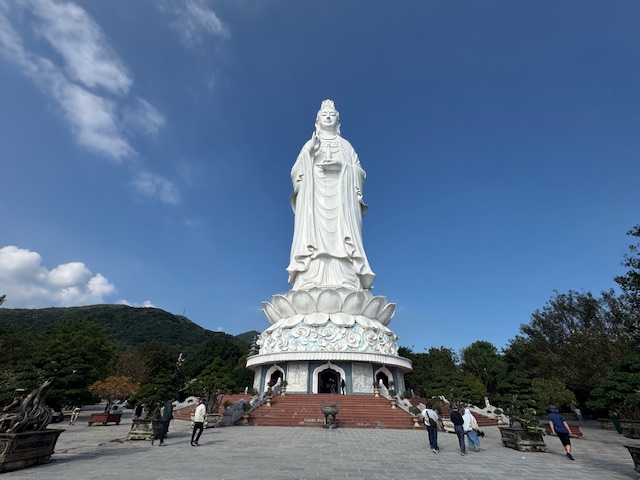
Our first destination is Son Tra Peninsula, also known as the “Monkey Mountain”. It is a protected natural area covered with jungle that rises above the sea.
Here we visit the impressive Linh Ung Pagoda, home to the enormous statue of Lady Buddha, one of the tallest in Vietnam. From here, the views over the coastline and Da Nang are spectacular.
The atmosphere is very peaceful, with the sound of the wind, temple bells and the sea in the background.
Marble Mountains
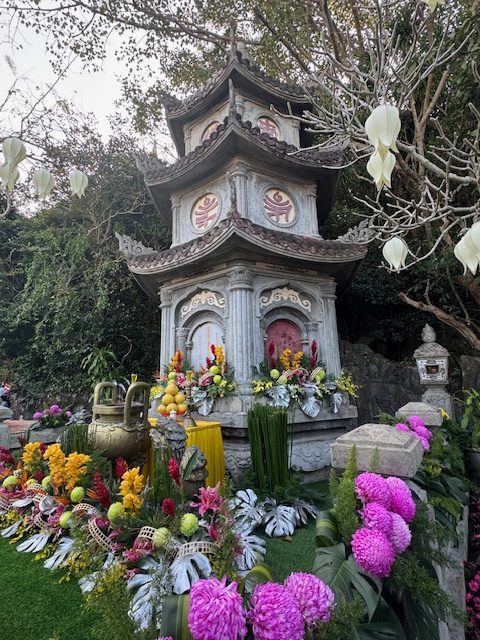
Afterwards we head to the Marble Mountains, five limestone and marble hills filled with caves, temples and viewpoints.
Climbing their stairs feels like entering another world: temples hidden inside caverns, incense floating in the air, and beams of light filtering through natural openings in the rock.
At one point I venture into a dark cave, and after finding a small opening I suddenly emerge at the top of the mountain, facing spectacular views of the coastline. The contrast between the darkness of the cave and the bright light outside makes the moment even more impressive.
Hoi An Ancient Town
The day ends in Hoi An, one of the most beautiful towns in Vietnam.
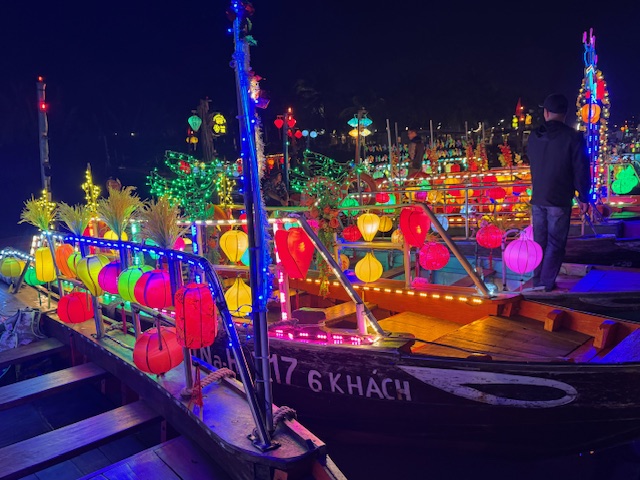
Its streets are filled with old houses, colorful lanterns and small cafés. When night falls, the lantern lights illuminate the river and the whole place takes on a magical atmosphere.
We have dinner at Thán Lán Xanh Blue Gecko restaurant, where we try incredibly delicious and very abundant vegan food.
After dinner we continue strolling through the lantern-filled streets until we reach the river, where we take a ride in one of the small boats that glide across the water illuminated by the town’s lights. The whole place has a romantic and peaceful vibe, and it is easy to understand why Hoi An is one of the most beloved destinations in Vietnam.
Day 9 – Ba Na Hills
Today it’s time to visit one of Vietnam’s most famous places: Ba Na Hills.
The journey to the top is made by cable car, one of the longest in the world. As it ascends, the tropical vegetation becomes covered in mist and the views over the jungle are impressive.
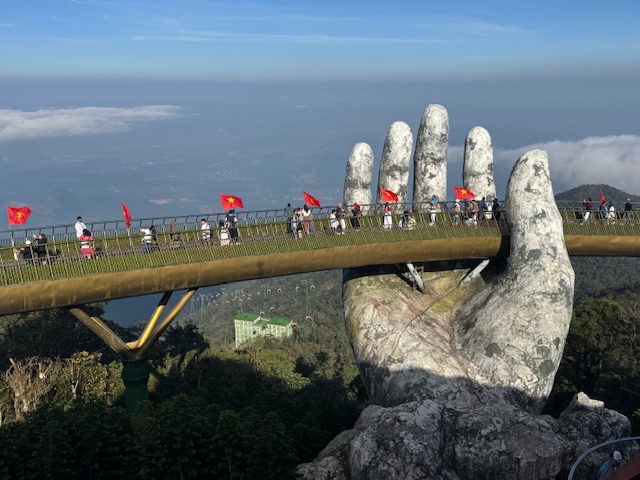
At the top, a complex appears that seems taken from another continent: European-style architecture, gardens, temples and, of course, the famous Golden Bridge, the bridge held by two gigantic stone hands.
The whole place is very touristy, and in reality it works as a large theme park in the mountains. If I had only a few days in the area I would probably skip it, but it was still interesting to see. The pagoda, the giant Buddha and the Golden Bridge are truly beautiful and worth visiting if you are already here.
Day 10 – Cu Lao Cham Islands
Today it’s time to trade temples for the ocean.
From Da Nang we take a boat to the Cu Lao Cham Islands, a small protected archipelago.
Upon arriving at the main island, we first do a short cultural visit. We stop at the local museum, where they explain the history of these islands and their connection with ancient maritime trade routes.
We also visit a famous old well on the island. According to the story, it was built by the Cham people, using special bricks that allowed the water to remain inside the well. Later, when the Vietnamese tried to build another well nearby, the water simply did not stay, something that still surprises locals today.
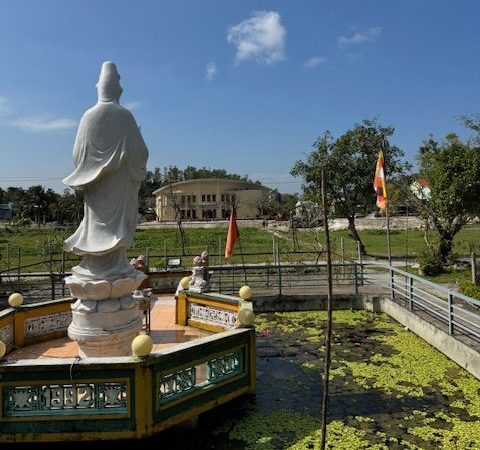
After that we visit a pagoda that was rebuilt after a typhoon. At the entrance we are welcomed by a Lady Buddha statue whose position symbolically points to the place where island residents take refuge when big storms arrive, aligned with the city of Hoi An across the water.
After this brief introduction to island life, it’s time for the highlight of the day: snorkeling in crystal-clear waters. The area is a marine reserve and the coral reefs and tropical fish make it completely worth putting on the mask and jumping into the sea.
The water, although quite cold, was so clear that it allowed a perfect view of the seabed. Among colorful fish and coral, there was one moment that left me completely speechless: an intense indigo-blue starfish, the kind that almost looks unreal against the pale sandy bottom.
After snorkeling comes one of those perfect travel moments: lunch on the beach, with white sand, turquoise sea and a gentle breeze that makes you forget the heat.
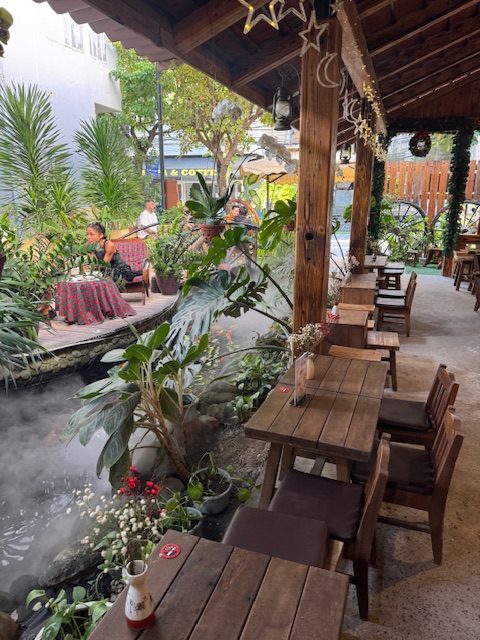
On the way back to Da Nang I stop at one of my favorite cafés in the city: Forrest Coffee, a place full of plants that feels like a small urban jungle. Perfect for relaxing after a day at sea.
Day 11 – Lang Co, Khai Dinh and the Imperial City of Hue
The last day in this region is a mix of landscapes and imperial history.
The route begins passing through Lang Co, a beautiful bay with quiet beaches and mountains that reach the sea. We make a quick stop to enjoy the views before continuing.
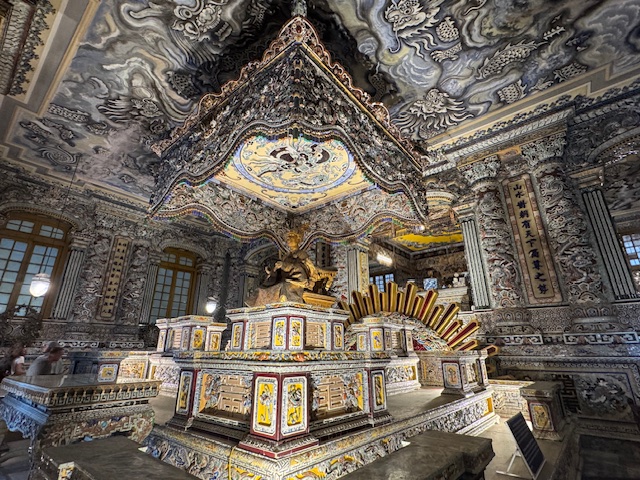
The next stop is the mausoleum of Emperor Khải Định, one of the most striking in Vietnam. Unlike more traditional mausoleums, this one combines Vietnamese architecture with European influences. The interior is decorated with incredibly detailed mosaics.
After lunch we reach the final destination of the day: Hue, the former imperial capital of Vietnam.
The Imperial City is a vast complex of palaces, temples and walls that resembles Beijing’s Forbidden City. Walking through its courtyards and monumental gates feels like traveling back to the era of the Nguyen emperors.
Its beautiful garden, the library, and a performance of traditional music provide the perfect way to close this part of the journey.
LITERARY NOTE
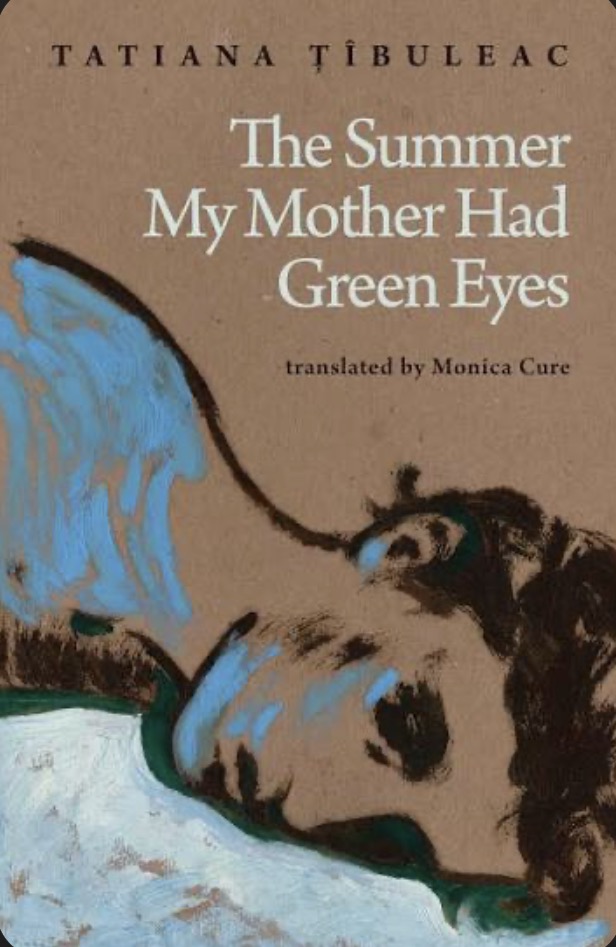
The Summer When My Mother Had Green Eyes by Tatiana Țîbuleac is a short but powerful novel that explores the complex relationship between a son and his mother during one final summer together.
Through a raw and intense voice, the story moves between resentment, memory, tenderness and regret, gradually revealing the emotional weight of their past. The narrative is direct, sometimes harsh, yet deeply human.
It is one of those books that feels both intimate and unsettling, showing how fragile and complicated family bonds can be. A brief novel, but one that leaves a lasting impression long after the final page.